
The Science Behind Scar Patches: How They Work to Promote Healing
Ever wonder how scar patches actually work? This post breaks down the science behind these skin-healing heroes—from silicone technology to moisture balance—and explains why they’re trusted by doctors and patients alike for reducing scars, stretch marks, and more.
POST SURGERY RECOVERY
Sandra Nickerson, BSN,RN
4/29/20257 min read
Understanding Scars: What Are They?
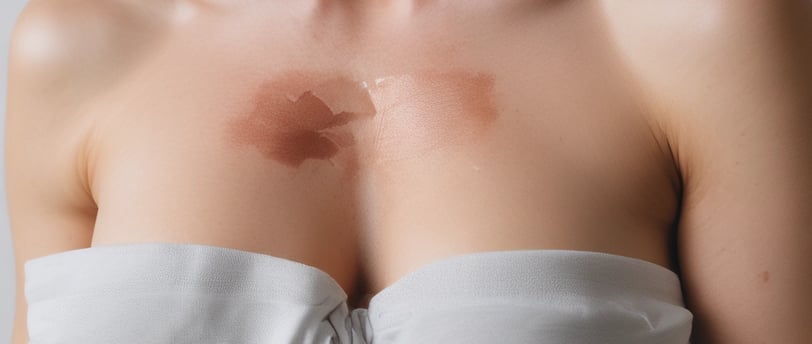
Scars are a natural part of the skin's healing process following an injury. When the skin is damaged—whether due to cuts, burns, surgeries, or acne—the body initiates a complex biological response aimed at repairing the tissue. During this healing process, fibroblasts play a crucial role in producing collagen, a protein that forms the structural framework of the skin. The new tissue, however, often differs from the original skin in texture, tone, and appearance, resulting in the formation of a scar.
There are various types of scars that can occur based on the nature of the injury and individual healing responses. Atrophic scars, for instance, are characterized by a loss of tissue and are commonly associated with conditions like acne. Hypertrophic scars, on the other hand, arise from an overproduction of collagen and appear raised and thick. Keloid scars extend beyond the original boundaries of the wound due to excessive collagen growth. Each type reflects distinct biological behaviors during wound healing, underlining the diversity of scar formations.
Multiple factors influence the likelihood and appearance of scars, including age, skin type, genetic predispositions, and even the depth of the injury. For instance, younger skin tends to heal more effectively than older skin, often resulting in less noticeable scars. Additionally, people with darker skin types may be more prone to hyperpigmentation and keloid formation, emphasizing the impact of genetic factors on scar development. Understanding these elements is crucial for comprehending how products like scar patches assist in the healing process. Scar patches apply specific therapies directly to the scarred area to help improve the overall appearance and support skin regeneration.
Click here to shop scar patches.
The Composition of Scar Patches
Scar patches are advanced wound care products designed to enhance the healing process and reduce the appearance of scars. These patches are typically composed of several key materials that work synergistically to promote skin regeneration and improve scar texture. One of the most prevalent components is silicone, recognized for its ability to create a flexible barrier over the scar. Silicone patches are effective due to their occlusive properties, which help maintain a moist environment that is crucial for optimal healing. Additionally, silicone has been shown to reduce the density and redness of scars, making it a vital ingredient in scar management.
Hydrogels also play an important role in the composition of scar patches. These gel-based materials are excellent at retaining moisture, which aids in preventing the scar from becoming dry and itchy. By providing hydration, hydrogels can enhance the overall skin texture and elasticity, supporting the natural healing process. Furthermore, the cooling effect of hydrogels can help soothe irritated skin, encouraging a more comfortable healing environment for the user.
In addition to silicone and hydrogel, many scar patches contain medicated compounds that target scar maturation. Ingredients such as allantoin and vitamin E are often included for their known beneficial effects on skin health. Allantoin promotes cell turnover and soothes irritated skin, while vitamin E is an antioxidant that is believed to protect the skin from free radical damage and support overall skin healing. Together, the unique combination of silicone, hydrogel, and medicated compounds in scar patches contributes significantly to their effectiveness in scar reduction and skin healing. By understanding the composition of these products, users can better appreciate how scar patches assist in promoting collagen production and enhancing skin recovery.
Click here to shop scar patches.
Mechanism of Action: How Scar Patches Facilitate Healing
Scar patches are therapeutic devices designed to enhance the skin's natural healing processes following injury or surgery. These patches operate through a multifaceted mechanism aimed at optimizing the wound environment, ultimately facilitating skin regeneration. One of the primary functions of scar patches is their ability to maintain a controlled environment conducive to healing. By providing an occlusive barrier, scar patches prevent external contamination while retaining moisture, which is crucial for cellular activity.
The moisture-retaining capability of scar patches aids in creating a hydrated environment that promotes skin cell proliferation and migration. Skin cells require sufficient moisture to undergo essential biological processes such as keratinocyte migration and collagen synthesis, both of which are vital for effective wound healing. The increased hydration not only fosters the growth of new skin tissue but also minimizes the appearance of scars by ensuring that the skin remains supple and flexible.
In addition to moisture retention, scar patches apply gentle, consistent pressure to the area. This pressure can help flatten raised scars by altering the collagen deposition in the dermis. Pressure application encourages the reorganization of collagen fibers, ultimately contributing to scar remodeling. The uniformity of pressure provided by the patch can also help regulate blood flow, further enhancing nutrient delivery to the healing site.
Lastly, the occlusive nature of scar patches limits the effects of hypoxia, a condition characterized by reduced oxygen levels that can impair healing. By creating a sealed environment, these patches ensure adequate oxygenation of the underlying tissues, promoting more efficient inflammatory responses and accelerating overall healing. The combination of hydration, pressure, and oxygen regulation forms a holistic approach toward improving skin outcomes, making scar patches a scientifically effective option for scar management.
Click here to shop scar patches.
Applications of Scar Patches: When and How to Use Them
Scar patches offer a targeted solution for the management of scars, particularly for individuals dealing with various types including hypertrophic scars and keloids. Proper timing and method of application are crucial to maximizing their effectiveness. Typically, these patches should be applied after the wound has fully closed, which usually occurs around one to three weeks post-injury. Timely application ensures that the healing process is optimally supported, as scar patches create a moist environment conducive to tissue regeneration and reduction of scar visibility.
The duration of use may vary depending on the specific characteristics of the scar and its location. Generally, continuous use of scar patches for at least 12 hours a day over a period of eight to twelve weeks is recommended for optimal results. Experienced users often suggest beginning treatment soon after scars appear, as early intervention can significantly improve aesthetic outcomes especially for hypertrophic scars which tend to form when an injury heals too rapidly.
When applying scar patches, it is important to ensure that the skin is clean and dry to promote adherence. Gently press the patch onto the scarred area and ensure that it covers the entirety of the scar. For raised scars or keloids, the patch should be securely affixed to encourage flattening over time. Adequate pressure should be applied, but care must be taken to prevent discomfort. Following the manufacturer's instructions is crucial, as each product may have different specifications.
In addition to proper application, users should also maintain skin hydration and protect the area from sun exposure for enhanced healing efficacy. Overall, the strategic use of scar patches can substantially improve the appearance of scars, provided they are utilized correctly and consistently over the recommended duration.
Click here to shop scar patches.
Evidence and Research: Do Scar Patches Really Work?
The effectiveness of scar patches in promoting healing has been a focal point of various scientific studies and clinical trials. Research indicates that specific formulations of scar patches can significantly improve the appearance of scars. For example, a review published in the Journal of Dermatological Treatment examined multiple studies involving silicone gel sheets, which are one of the most commonly used types of scar patches. The findings indicated that participants using silicone patches showed a marked reduction in scar height, color, and overall appearance compared to those receiving standard care without the patches.
Another relevant investigation conducted by the American Academy of Dermatology included more than 200 participants with hypertrophic scars. The study revealed that those using a targeted silicone patch experienced a 70% improvement in their scar assessment scores after a 12-week treatment period. Such results lend credence to the idea that these patches, when consistently applied, can have a notable impact on scar healing over time.
Click here to shop scar patches.
Potential Side Effects and Considerations
When utilizing scar patches for enhanced healing, it is crucial to be aware of potential side effects that may arise during their use. Although these patches are designed to improve the appearance of scars, they can sometimes lead to skin reactions. Common side effects may include redness, itching, or irritation at the site of application. These symptoms often indicate a sensitivity to the materials used in the patch, such as silicone, adhesives, or other compounds.
Allergic reactions should also be taken into consideration when selecting a scar patch. Individuals with known sensitivities to certain ingredients may experience more severe reactions, such as swelling or blistering. To mitigate the risk of adverse effects, it is advisable to conduct a patch test on a small area of skin before applying a scar patch to the affected area. This preliminary test can help identify any potential reactions and ensure compatibility with one's skin type.
Furthermore, it is essential for users to choose scar patches that are appropriate for their specific skin types and conditions. Various products on the market cater to different sensitivities; therefore, individuals with sensitive or reactive skin should opt for hypoallergenic options. Reviewing product labels and seeking recommendations from dermatologists can aid in selecting the right patch. Users should also pay close attention to the duration of use; prolonged application can exacerbate skin issues, leading to adverse reactions.
In summary, while scar patches offer the potential for improved healing and scar appearance, awareness of possible side effects is essential. Users should be proactive in identifying their skin sensitivities and selecting suitable products to minimize any risks. Proper education about the materials used in scar patches and their possible reactions will contribute to a more informed and effective healing process.
Click here to shop scar patches.
Conclusion: The Future of Scar Treatment
In recent years, the understanding of scar formation and healing has advanced significantly, leading to improved treatment options for individuals seeking to minimize the appearance of scars. Through this blog post, we have explored the science behind scar patches and how they promote healing by creating optimal conditions for the skin to regenerate. These innovative solutions not only support the natural healing process but also help to minimize hypertrophic scars and keloids, which can be particularly challenging for many patients.
As we look toward the future of scar treatment, there are promising developments on the horizon. Researchers are investigating various novel materials and advanced techniques that could potentially enhance the efficacy of scar treatment. For instance, the integration of bioactive compounds into scar patches may facilitate faster healing rates and improve overall skin texture. Additionally, advancements in 3D bio-printing technology could lead to the creation of personalized scar management solutions tailored to individual patients, further improving outcomes.
Moreover, ongoing research into the psychological and physical effects of scarring highlights the need for holistic approaches. The future of scar treatment could benefit from multidisciplinary methods that involve dermatology, psychology, and advanced materials science. Emphasizing the importance of a comprehensive understanding of scar formation will empower healthcare professionals to advocate for more effective treatments that address not only the visible characteristics of scars but also the emotional toll they can take on individuals.
In summary, the landscape of scar treatments is at a pivotal moment, with both innovative solutions and ongoing research paving the way for improved patient experiences. As we continue to uncover the complexities of scar healing, it is vital to invest in the development of new technologies and treatment options that will enhance the quality of life for those affected by scars.